A Guide to Items You Can and Can't Put in a Dumpster
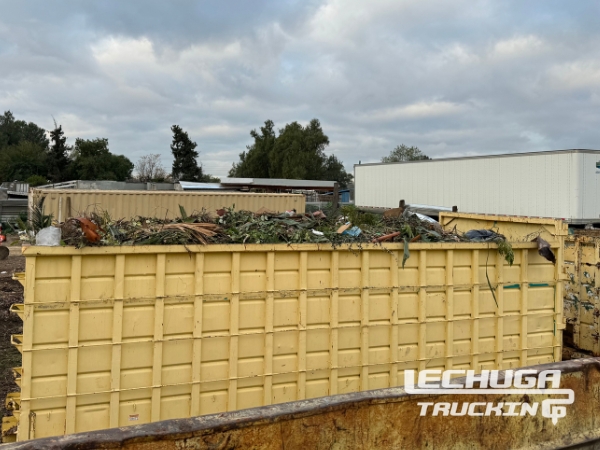
When you rent a dumpster can be an ideal option when tackling large cleanouts or dumpsters in my area Santa Ana CA remodeling tasks. The convenience of tossing debris and unwanted items into one container reduces the hassle of handling waste. However, not everything can be placed inside. Being informed ensures proper disposal and smooth pickup.
R. Lechuga Trucking emphasizes proper disposal to maximize your rental benefits. We provide tips to ensure rentals are used effectively and responsibly. Be it a household cleanup, renovation, or yard work, it’s essential to know what materials are acceptable and what should be handled differently.
Common Household Items Allowed in a Dumpster
Standard household trash can often go in your dumpster. Trash such as clothing, furniture, paper, and toys is allowed. Non-toxic household items including paper and décor are allowed. These materials don’t pose environmental or safety risks and can be processed through standard waste management systems.
Garage, basement, or attic cleanouts often allow wooden furniture, non-refrigerant appliances, and building debris. Just remember to double-check that these items are free of chemicals or electronic components before tossing them in. A compliant load guarantees safe handling and proper pickup.
Accepted Waste from Construction and Renovation
Renovation projects produce debris best managed with a dumpster. Common construction debris including bricks, drywall, and wood is allowed. These items are generally non-hazardous and can be processed or recycled appropriately once the dumpster is hauled away.
Flooring, cabinets, and fixtures from renovation work are typically discarded in dumpsters. It’s best to ensure these items are free from hazardous substances like lead-based paint or asbestos before disposal. Clean construction waste helps maintain safety during handling and ensures compliance with environmental regulations that govern waste disposal sites.
Disposing of Yard Debris Safely
Outdoor cleaning often produces yard waste suitable for dumpsters. These organic materials are typically accepted as long as they’re not mixed with contaminated waste or hazardous chemicals. Separating yard waste makes composting or processing easier.
When you’re cleaning up your outdoor spaces, make sure items like treated wood, old fencing, and landscaping stones are acceptable under your dumpster’s waste guidelines. Certain treated or painted items are considered hazardous and cannot be dumped. Clarifying acceptable items ensures smooth disposal and avoids problems.
Items That Are Strictly Prohibited
There are materials you cannot put in a dumpster because of environmental and safety concerns. Items like batteries, fuels, paints, oils, and other hazardous chemicals are not allowed. These substances pose serious risks during handling and disposal, which is why they must be taken to specialized facilities that manage hazardous materials safely and responsibly.
Other restricted items include tires, large electronics, and certain appliances that contain refrigerants or harmful components. These items require special recycling or disposal processes that differ from standard waste handling. Consult the dumpster provider’s guidelines to stay compliant and prevent problems during pickup.
Appliances and Electronics: Handle With Care
Electronics and appliances need special attention for dumpster use. Appliances like microwaves, refrigerators, and ACs cannot go in a regular dumpster safely. Many of these contain chemicals or electrical elements that can’t be safely disposed of in a regular dumpster.
TVs, computers, and printers need to be disposed of properly. Bringing electronics to proper recycling facilities supports sustainability. Correct disposal practices help protect the environment.
Specialty Waste That Requires Care
Special waste refers to items that require more careful disposal, including medical waste, contaminated soil, and industrial materials. These materials are restricted for safety and legal reasons, as they can pose health risks or environmental hazards. Even if they seem harmless, they must be processed through appropriate facilities equipped to handle them safely.
When in doubt, consult your rental provider to see if waste is classified as special. Clear communication helps you avoid potential penalties or service interruptions. A responsible provider like R. Lechuga Trucking is always ready to advise customers on the right disposal methods to ensure safety and compliance throughout the rental process.
Making the Most of Your Dumpster Rental
Once you know what can and can’t go in a dumpster, you can plan your cleanup more effectively. Start by organizing your waste types to make loading easier and safer. Load heavy debris at the base and lighter items above to save space. Avoid overfilling the dumpster or placing items above the rim, as this can cause safety concerns during transport.
Properly managing your dumpster load supports safety and service rules. Keeping your load compliant makes the disposal process smooth and efficient. This attention to detail benefits both you and the provider, helping maintain responsible waste management practices across all projects.
Staying Compliant and Safe With Your Dumpster
Understanding dumpster rules is essential for safe disposal. Sorting materials correctly makes projects more manageable. Proper dumpster use prevents delays and ensures smooth disposal for home, yard, or renovation waste.
With R. Lechuga Trucking, customers get guidance and dependable service for responsible dumpster use. Complying with waste rules helps finish projects safely and efficiently. When you rent a dumpster from us, you’re not just getting convenience—you’re choosing a partner that values safe, clean, and responsible waste handling every step of the way.